
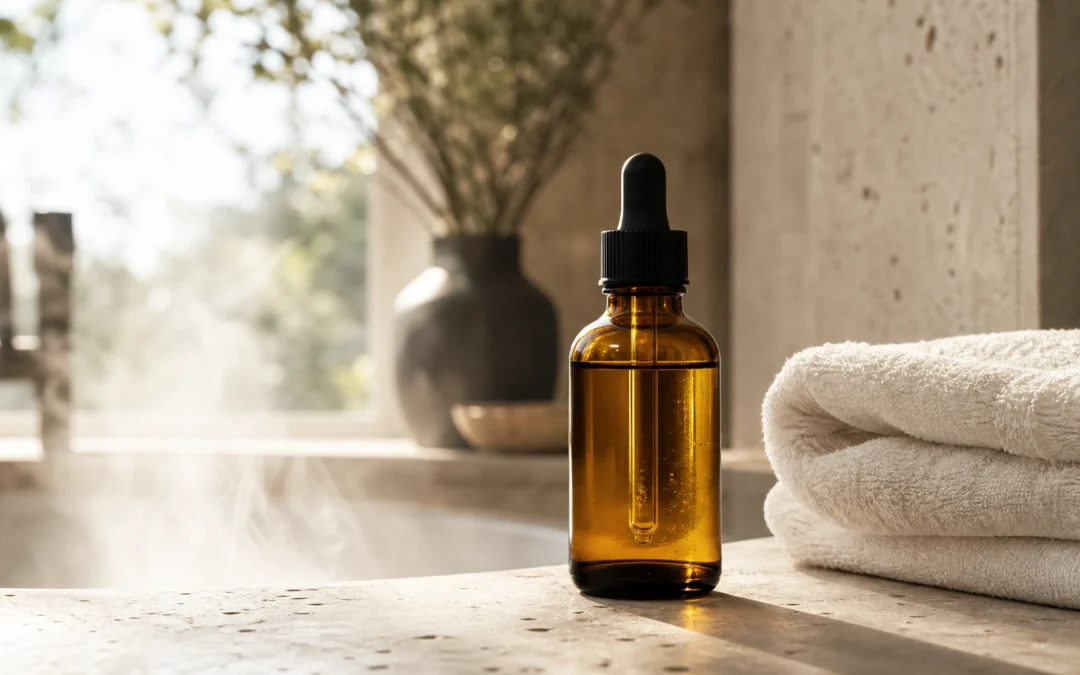

Body oil for dry skin works best when you press it onto damp skin the moment you step out of the shower. The water gives your skin something to hold, and the oil slows that water from leaving. Three or four drops warmed between your palms, pressed in while the mirror is still fogged, does more for you than a heavy layer on bone-dry skin.
Your skin does not feel tight because it lacks a product. It feels tight because water keeps leaving it, and oil is how you slow that down.
You know the feeling. You step out of a hot shower, towel off hard, and by the time you are dressed your shins feel tight and your forearms look faintly dusty. You reach for lotion, it vanishes before your shoes are on, and the tightness is back before lunch.
A body oil handles that moment differently, but only when you use it the way it was designed to be used. Most people who tell you oil did nothing for them put it on at the wrong time, in the wrong amount, on skin with no water left to hold. This guide shows you how to use body oil for dry skin properly, and what to look for in the bottle before you buy one.
Why Body Oil Works on Dry-Looking Skin
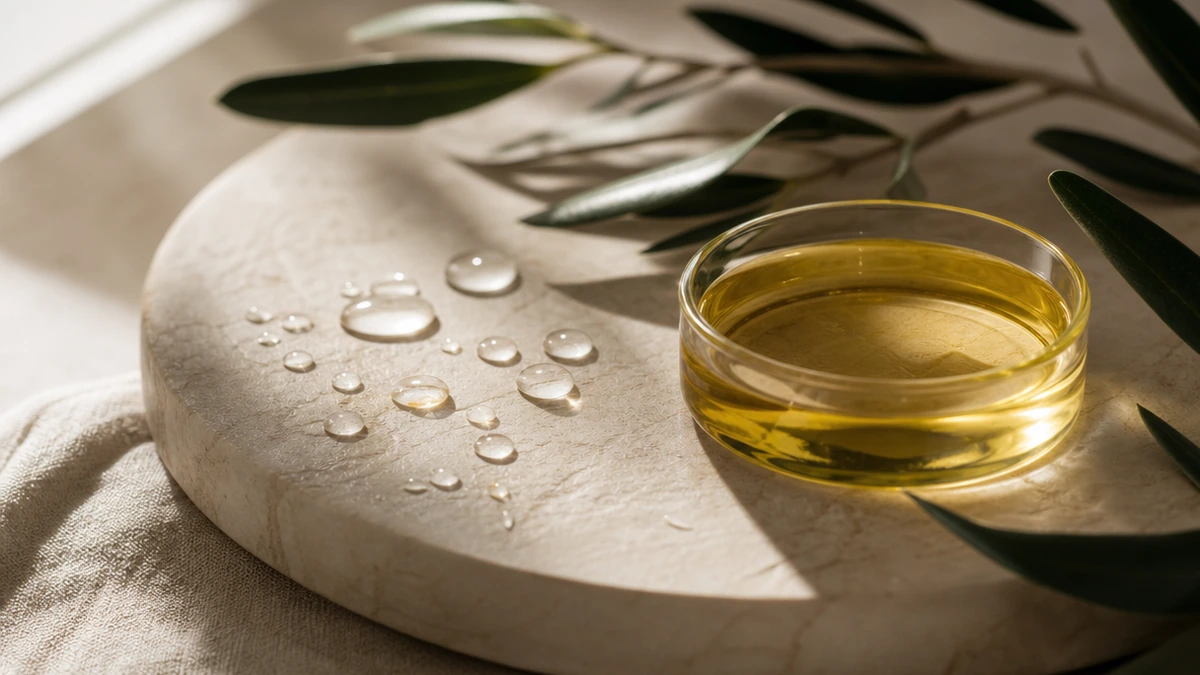
Skin scientists sort moisturizing ingredients into three jobs, and knowing them tells you exactly what your body oil is for. A humectant attracts and binds water. An emollient smooths and softens the surface by filling the gaps between skin cells. An occlusive forms a physical barrier that reduces water evaporation. The NIH-hosted clinical reference on moisturizers lays out all three in exactly those terms.
A good body oil sits in the emollient and occlusive camp. It softens how your skin looks and feels, and it lays down a light film that slows water loss from the surface. What it does not do is add water. That is the whole reason timing matters so much for you: put oil on bone-dry skin and you seal in almost nothing, because almost nothing is there to seal.
I read the moisturizing guidance from the American Academy of Dermatology and the NIH clinical reference on moisturizers before writing this, and both come back to the same idea: your job is to keep water from leaving your skin. The AAD guide to choosing a moisturizer says that applied right after a shower, a moisturizer traps water in the skin and keeps it from evaporating. Your body oil plays by that same rule, and it rewards you for following it.
How to Use Body Oil: The Damp Skin Method
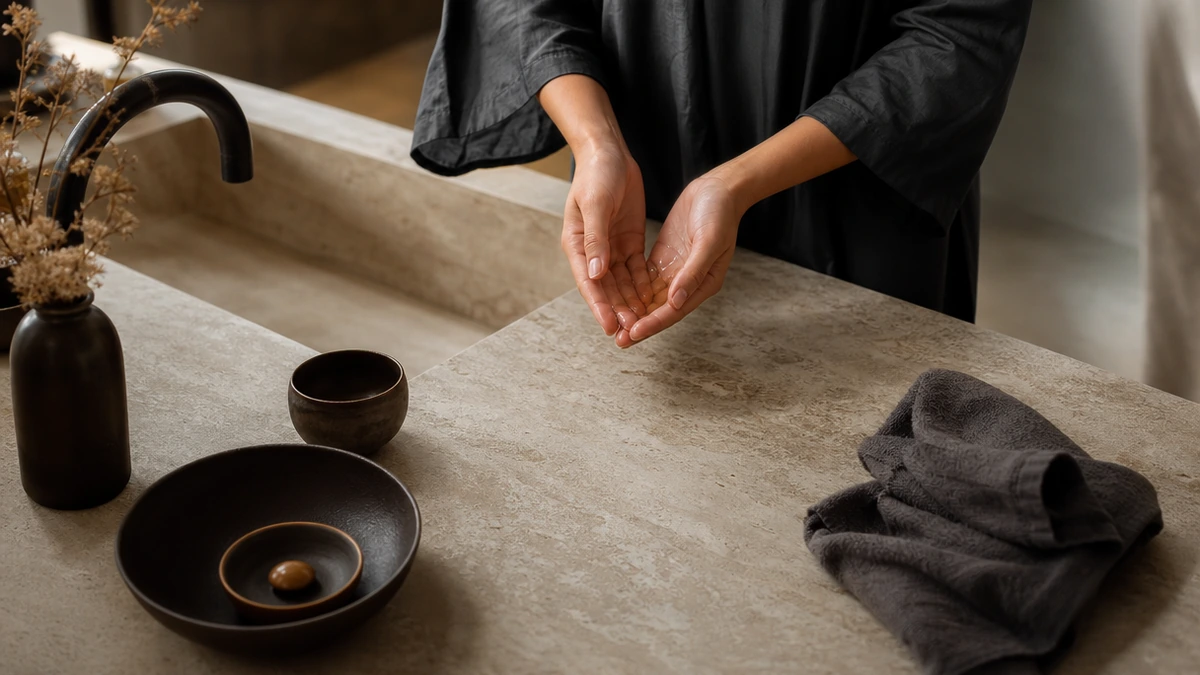
Here is the routine, and it takes less time than drying your hair. The ritual for every one of our body oils is the one you want to follow: warm three or four drops between the palms and press into skin straight after a shower, while the air still holds the steam.
The damp skin method, step by step
- Keep your shower warm rather than hot, and keep it short
- Pat yourself dry instead of rubbing, and leave your skin slightly damp
- Warm three or four drops between your palms before they touch your skin
- Press the oil into one area at a time, starting with the spots that feel tightest, such as shins, elbows and the backs of your arms
- Give it a minute or two to settle before you dress, so nothing transfers to your clothes
The shower half of this matters as much as the bottle. Long, hot showers leave your skin feeling tighter afterwards, which is why the dermatologists’ advice on dry skin starts in the bathroom: keep baths and showers to five to ten minutes in warm water, pat your skin dry, and moisturize straight away.
How much is enough? Less than you think. Start with three or four drops, press them in, then warm a few more for the next area rather than pouring a pool into your hand. If your skin still looks shiny once you are dressed, you used too much, and next time you use less.
If you are wondering when to apply body oil, the answer is whenever you step out of the water. After your morning shower it softens how your skin looks under clothes. At night, after a bath, it has hours to settle while you sleep, and you wake with skin that feels less tight. If you only have time for one, make it the shower you already take.
What Is Inside a Good Body Oil
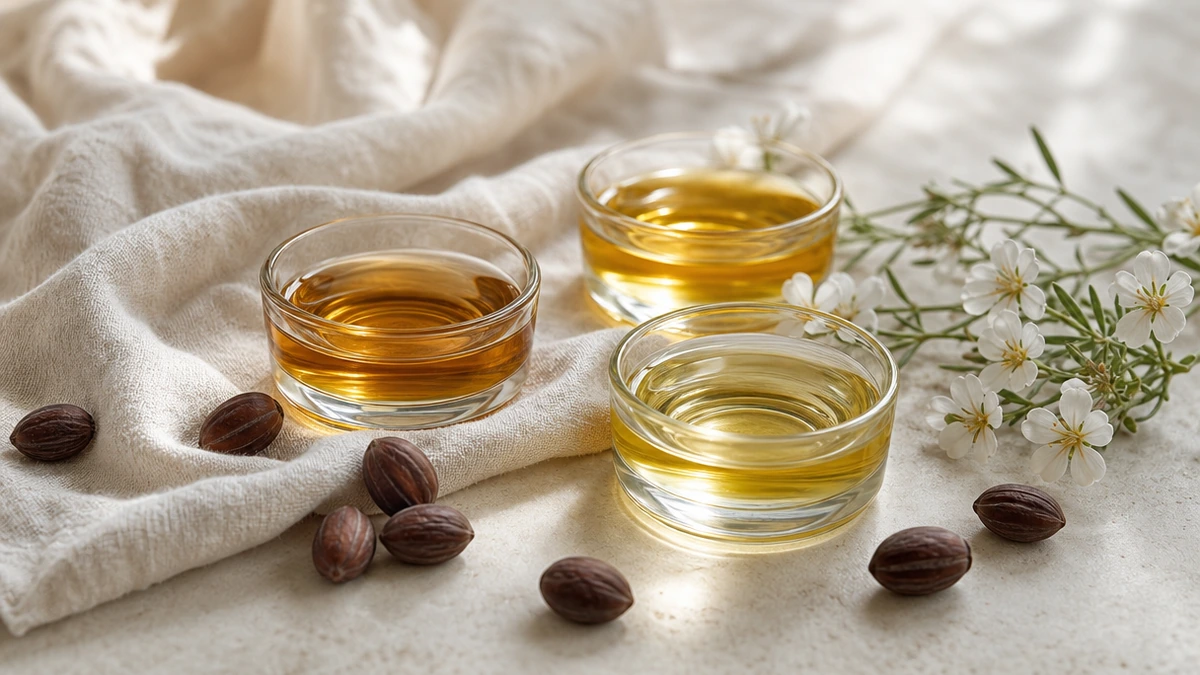
The base, or carrier oil, decides how a body oil feels on your skin, how quickly it settles, and how long it keeps in your cabinet. Scent gets the attention, but the carrier does the work. Here are the three you will find across our body oils.
The carriers in our body oils
- Fractionated coconut oil stays liquid at room temperature and has almost no scent of its own, so it gives a light, silky glide
- Jojoba is a liquid wax rather than a true oil, which is why it settles in without a heavy film
- Meadowfoam seed oil adds a soft, cushioned feel, and it sits in all three of our body oils
Look for a short ingredient list with the carriers named first. That tells you the bottle is built on oils you wear, with scent blended in on top. If jojoba is new to you, our guide to why jojoba behaves like skin explains the wax structure in full.
Your bathroom is the hardest room in the house on anything in a bottle. Heat and light shorten the life of an oil, so keep yours capped and off the windowsill, and read how long botanical oils last if you want the detail on storage.
If you are still deciding between oil and lotion, you do not have to choose. Lotion brings water and humectants, and oil slows that water from leaving, so plenty of people with dry-looking skin use both. We weigh the two properly in body oil versus lotion, and it is worth your five minutes before you buy.
Choosing a Body Oil Scent You Will Wear Every Day
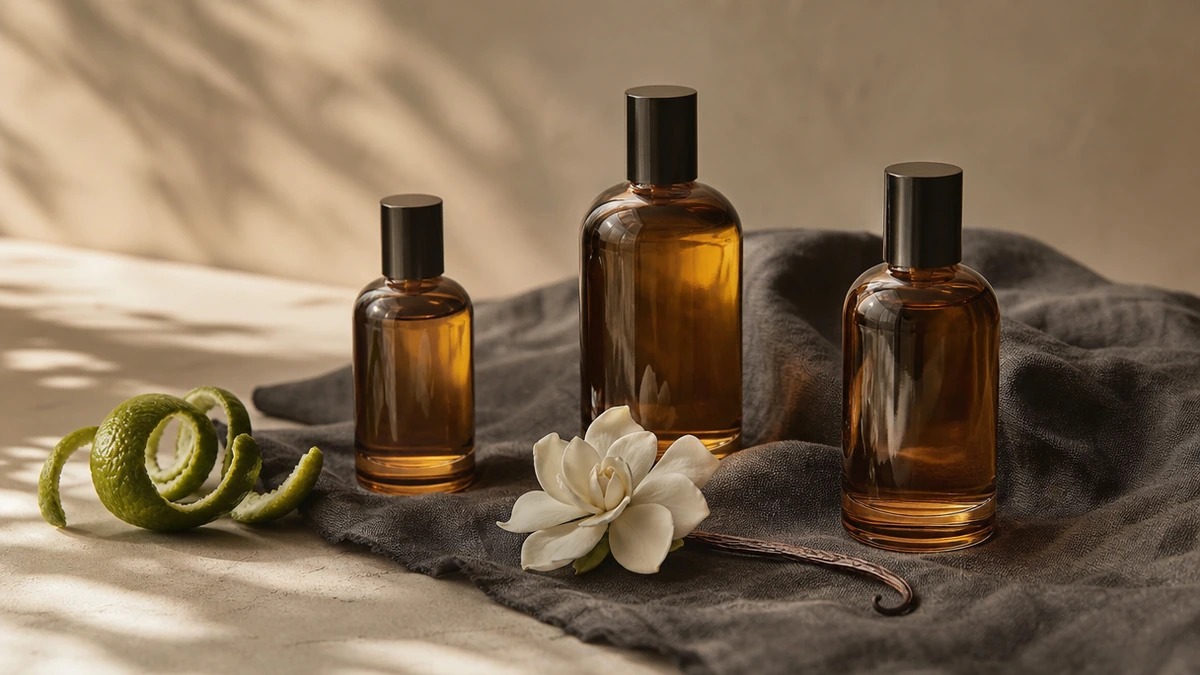
Here is the part most skincare advice skips: the routine that works for you is the one you do every day, and you only do it every day if you love how it smells. A body oil that doubles as your fragrance gets used. One that smells of nothing sits on the shelf.
Our three body oils share the same ritual and the same $36 price, and each blends premium fragrance oils into its carriers. All three are blended in Boston, and each one gives you a different mood.
Amber Veil Luxury Body Oil opens with bergamot and settles into santal, cashmere and gilded amber. It is built on fractionated coconut oil, jojoba and meadowfoam seed oil, with vitamin E in the formula, and it is the warm one you reach for on a cold evening.
Moonlight Descent Luxury Body Oil is brighter and more floral, with neroli and gardenia over white musk and teakwood, and sandalwood essential oil in the blend. If you like a clean floral that stays close to your skin, start here.
Golden Veil Radiant Body Oil leans sweet and sunlit, with sweet orange, mahogany, driftwood and vanilla on a jojoba and meadowfoam base. It is the one for you if your mornings want a little warmth.
One honest caution before you choose. If your skin reacts to scent, the AAD’s advice on avoiding fragrance points you toward fragrance-free products, and that advice is worth taking. Patch test any scented oil on your inner forearm for a day before you use it everywhere.
My honest opinion: the best body oil for dry skin is the one you put on while the mirror is still fogged. The bottle matters and the scent matters, but timing matters more than either. Reach for it before your towel hits the hook, every day, and it stops being a product you own and becomes a ritual you keep.
Body Oil for Dry Skin: Your Questions Answered
Is body oil good for dry skin?
For skin that looks dry or feels tight, body oil is one of the most pleasant ways to keep your skin comfortable, as long as you apply it to damp skin. It softens how your skin feels and slows water loss from the surface. It does not add water on its own, which is why your timing matters.
Should you put body oil on wet or dry skin?
Damp, not dripping. Pat yourself dry after the shower so your skin still feels slightly damp, then press the oil in. On bone-dry skin the oil has little water to hold, and on soaking wet skin it slides around instead of settling.
Is body oil better than lotion for dry skin?
Neither wins outright. Lotion brings water and humectants, and oil slows that water from leaving your skin. Many people get the best feel from oil pressed onto damp skin on its own, and others like lotion first with a few drops of oil on top. Try both and keep the one you enjoy.
How much body oil should you use?
Start with three or four drops warmed between your palms, press them in, and warm a few more for each new area. If your skin still looks shiny once you are dressed, you used more than you needed.
Can you use body oil every day?
Yes, and daily is where you notice the difference. Make it part of the shower you already take, morning or night, so it happens without you having to remember it.
Will body oil stain your clothes?
Give it a minute or two to settle before you dress and your clothes stay clean. If you want to scent your linens without oil touching the fabric, our guide to scenting clothes without stains walks you through it.
Before the steam clears
Choose the scent you will reach for every morning, and press it in while your skin is still damp.
Want more of this in your Google feed? Tap here and Google shows you our articles first.